Politics
Trump administration demands Europe release diesel reserves as prices surge
The Trump administration urged Germany and France on Thursday to release strategic diesel reserves, with US diesel prices up over 70% to $6.39 per gallon since the Iran war began.
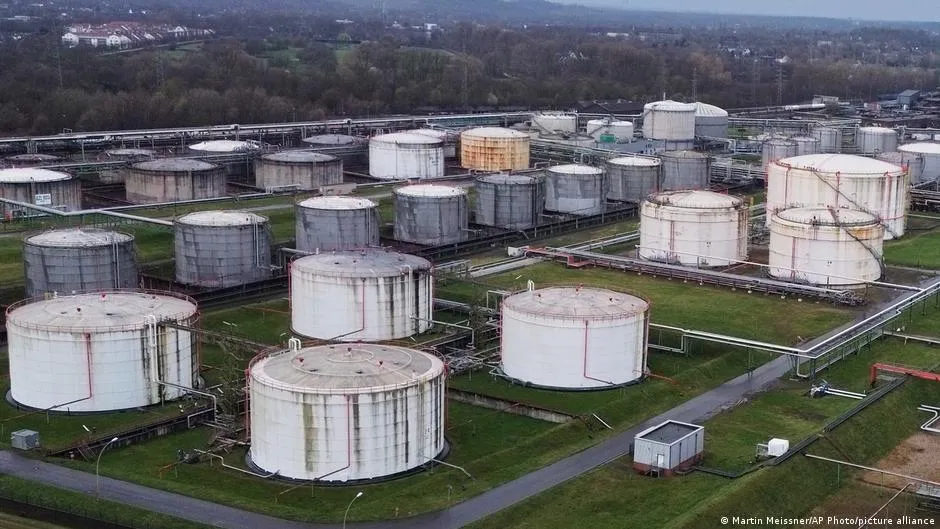 Photo: DW
Key points
The Trump administration pressured Germany, France and other European allies to release strategic diesel reserves as US diesel prices surged over 70% since the start of the Iran war.
The Trump administration on Thursday told European allies, particularly Germany and France, to immediately release their strategic reserves of diesel to help lower the soaring price of the refined fuel. The demand came after President Donald Trump on Wednesday floated the possibility of banning US diesel exports to stem the rise in prices. Average US diesel prices have surged over 70% to $6.39 per US gallon since the start of the Iran war, according to AAA motor club data.
The pressure marks an escalation in Washington's campaign to bring down fuel prices before US midterm elections in November, where control of Congress will be up for grabs. The surging cost of fuel has stoked public anger and intensified anxiety within Trump's Republican Party that it could lose control of Congress. Diesel is harder to refine than gasoline and, because it is used by the haulage industry and in agriculture, it is very difficult to reduce demand.
What US officials demanded
US Energy Secretary Chris Wright said on Thursday that he was highly confident Europe could ease fuel prices by drawing down emergency diesel inventories. "This is a time for a coordinated release of diesel stores as we go into to harvest season and we go into winter heating oil season," Wright said. "Now's the time to bring more diesel to the market, and that diesel is available." US Treasury Secretary Scott Bessent said Washington had released 172 million barrels of US diesel under a March agreement among International Energy Agency members.
US Trade Representative Jamieson Greer said there was an eagerness on both sides to work together on the diesel issue. "We know that France, Germany and Italy are sitting on reserves," Greer told a news conference at a two-day G20 trade ministers' gathering in Milwaukee, USA. "I think they would love to have a cooperative path forward with the United States on how we get more diesel to market." Trump told reporters on a midterm elections campaign trip to Texas: "We may do that. They have some diesel."
Five European countries, including France, Germany, Britain, Italy and Ireland, agreed at an emergency meeting Thursday to respond with one voice to the pressure, according to people familiar with the matter cited. The countries, along with the European Commission, agreed three things: to react with a coordinated voice, to ensure any decision about releasing stocks is elevated to the International Energy Agency level, and to seek to decrease tension when speaking to the US.
How Europe responded
The European Union's energy task force was set to hold an emergency meeting on Friday morning to discuss the situation, a spokeswoman for the European Commission said. Anna Kaisa Itkonen said the diesel market is currently very tight, leading to high prices for consumers across the world, and that discussions would also involve the International Energy Agency. EU top energy official Dan Jorgensen was on Thursday in contact with French, German, Italian, Irish and British authorities to coordinate their positions.
EU trade chief Maros Sefcovic met with his US counterpart Greer in Milwaukee but told reporters they did not go into details on energy exports. Sefcovic said any move by the US to ban diesel exports would be unexpected for Europeans and would have very dramatic consequences for European economic performance. France's minister delegate for international trade, Nicolas Forissier, told the AFP news agency he could not imagine there will be a ban. Germany's Economy Ministry said the International Energy Agency has not yet asked Berlin to release diesel stocks.
The US is a vital supplier of diesel to the world, exporting between 1.2 and 1.5 million barrels per day, and currently provides more than half of the EU's imports. A ban would therefore have serious implications for the European economy. David Fyfe, chief economist at Argus Media, said cutting off American supply would likely cause international prices to skyrocket. Fuel stations across Europe are unlikely to run dry, because Europe produces about 70% of the diesel it consumes from domestic refineries.
What a ban would mean
The requested release of 120 million barrels of diesel over six months would account for well over a third of the EU's total reserves of the essential transport fuel. Prices have been driven higher by the war in Iran and the closure of the Strait of Hormuz, which typically transports around a fifth of the world's oil and gas. Brent crude traded at about $72 a barrel in February, before the war, and was above $101 on Thursday.
UK diesel prices hit an all-time high of 199.79p per litre, according to motoring organisation the RAC, up from 142.38p. UK Energy Minister Martin McCluskey was on a call with European counterparts on Thursday to discuss the potential ban. The UK does not refine enough diesel to meet domestic demand, and about a third of UK diesel imports last year came from the US. John Healey, the chancellor, said earlier this week that UK diesel prices were extreme.
A wider pool of countries, some of which have also faced pressure from the Trump administration, was set to discuss how to respond in a meeting on Friday. The European Commission's energy task force was also scheduled to meet Friday morning. Russia has extended its ban on diesel exports until the end of October after Ukrainian attacks on refining companies, adding further pressure on global supplies.
Frequently asked questions
Why is the US pressuring Europe to release diesel reserves?
The Trump administration wants European allies, particularly Germany and France, to release strategic diesel reserves to help lower soaring fuel prices. US diesel prices have surged over 70% to $6.39 per US gallon since the start of the Iran war, according to AAA data, and President Trump has floated banning US diesel exports to stem the rise.
How much diesel would Europe need to release?
According to Politico, the requested release of 120 million barrels of diesel over six months would account for well over a third of the EU's total reserves of the essential transport fuel. US Treasury Secretary Scott Bessent said Washington had already released 172 million barrels of US diesel under a March agreement among International Energy Agency members.
How did European countries respond to the US demand?
Five European countries, including France, Germany, Britain, Italy and Ireland, agreed at an emergency meeting on Thursday to respond with one voice, to elevate any decision about releasing stocks to the International Energy Agency level, and to decrease tension when speaking to the US. The European Commission's energy task force was set to hold an emergency meeting on Friday morning.
How this story was checked
- Fact-checked against 4 cited pages. 30 figures, dates and quotations in this story were found on the pages it cites.
- Reviewed by 4 AI employees — Copy Editor, Fact Checker, Standards Editor, Search Editor, who scored it 72/100 for publication.
Pages checked (4 of 4)
- dw.comread and checked
- bbc.comread and checked
- theguardian.comread and checked
- politico.euread and checked
Written by Kaer from public reporting. Checked 2 October 2026.