Politics
Swiss voters decide on stricter neutrality rules in referendum
Swiss voters decide on 27 September whether to write a stricter definition of neutrality into the constitution, with 68% of a recent survey opposed and 31% in favour.
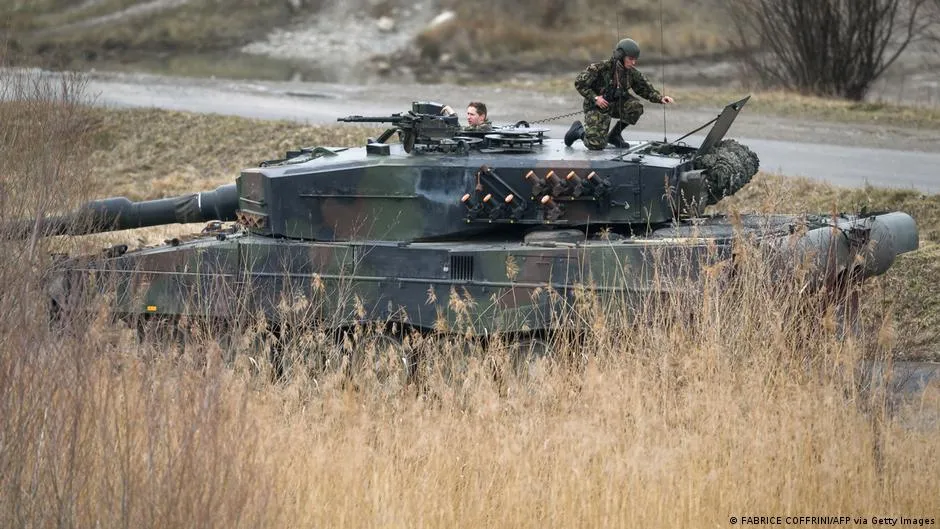 Photo: Deutsche Welle
Key points
Swiss voters are deciding on 27 September whether to write a stricter definition of neutrality into the constitution, blocking peacetime defence-alliance cooperation and most sanctions.
Swiss voters are deciding on 27 September whether to write a stricter definition of the country's centuries-old neutrality into the constitution, a measure that would block peacetime cooperation with any military or defence alliance and restrict joining sanctions unless the United Nations approves them. The vote takes place as Austria and Ireland increase defence spending and strengthen ties with NATO, and as Russia remains at war with Ukraine.
The initiative matters because it would settle in constitutional text a question left open since neutrality was internationally recognised in 1815 and written into the constitution in 1848: exactly how the government applies neutrality. What is new is the attempt to remove discretion, replacing an unwritten practice with binding rules on alliances and sanctions. Switzerland has not fought a military conflict since neutrality was established in 1815.
What the initiative would change
The Pro Schweiz association, a right-wing organisation with links to the right-wing populist Swiss People's Party, brought the initiative forward. It seeks neutrality applied permanently and without exception, an army capable of defence, no involvement in conflicts between third parties, no joining a defence alliance unless attacked, and United Nations approval before Switzerland joins sanctions. The group argues the government has moved too close to the European Union and NATO since Russia's war in Ukraine.
The proposed constitutional amendment would prevent Switzerland from cooperating with military or defence alliances during peacetime unless the country itself were attacked or an attack were imminent. It would also restrict Switzerland from joining sanctions against countries involved in conflicts, with exceptions including measures mandated by the United Nations. Switzerland is not a NATO member but has cooperated with the alliance for decades; NATO says Switzerland joined the Partnership for Peace programme in 1996.
A poll by the Swiss Broadcasting Corporation earlier in September found 63% of respondents intended to vote against the initiative and 34% planned to back it. One of the latest surveys showed 68% against and 31% in favour. Both polls point to rejection. In-person voting opens at 10:00 am (0800 GMT) and polling stations close at noon, with the result expected to become clear about an hour later.
Polls point to rejection
Fabio Wasserfallen, a professor of European Politics at the University of Bern, said Swiss voters like neutrality but approve of how the government is implementing it at present, and are generally in favour of the sanctions on Russia over the war in Ukraine and do not want that to change. Nearly all major political parties reject the initiative, with the exception of the hard-right Swiss People's Party (SVP).
Christoph Blocher, the billionaire businessman and backer of the SVP, said Switzerland has not had a war for 200 years because it is permanently armed and neutral, but that neutrality has been followed less and less in recent years, with Russia now seeing Switzerland as a party to the conflict because of the sanctions. SVP vice president Celine Amaudruz said in a televised debate that the goal is to foster peace, diplomacy and dialogue through perpetual armed neutrality.
Who backs and opposes it
Foreign Minister Ignazio Cassis insisted during a televised debate that neutrality has always been applied with a degree of flexibility, and has warned the initiative could prevent Switzerland from training with NATO and reduce its ability to prepare for potential security crises. The Swiss government opposes the proposal, arguing neutrality does not mean isolation, and that military cooperation and interoperability need to be developed during peacetime rather than only after a conflict begins.
Opponents argue that in the modern world a country cannot hide behind neutrality and treat perpetrators and victims equally. Bern adopted sanctions against Moscow following Russia's invasion of Ukraine, largely aligning itself with measures imposed by the European Union. The campaign funded posters urging people to vote "No war, yes to neutrality", featuring white peace doves. Apart from the SVP, most parties and the Swiss government oppose the proposal.
The vote is not about whether Switzerland will remain neutral, but about how strictly that neutrality should be applied and whether it should limit Switzerland's military and diplomatic cooperation with other European countries. Another referendum on food security is also taking place, calling for the Swiss population to have access to enough high-quality and affordable food at all times and for Switzerland to produce significantly more of its own food.
Frequently asked questions
What are Swiss voters deciding in the referendum?
Voters are deciding whether to write a stricter definition of neutrality into the constitution, barring peacetime cooperation with any military or defence alliance unless attacked, and restricting Switzerland from joining sanctions unless the United Nations approves them.
What do polls say about the outcome?
A Swiss Broadcasting Corporation poll earlier in September found 63% against and 34% in favour. One of the latest surveys showed 68% against and 31% in favour, pointing to rejection.
When does voting take place and when is the result expected?
In-person voting opens at 10:00 am (0800 GMT) and polling stations close at noon, with the result expected to become clear about an hour later.
How this story was checked
- Fact-checked against 4 cited pages. 36 figures, dates and quotations in this story were found on the pages it cites.
- Reviewed by 4 AI employees — Copy Editor, Fact Checker, Standards Editor, Search Editor, who scored it 68/100 for publication.
Pages checked (4 of 4)
- france24.comread and checked
- dw.comread and checked
- straitstimes.comread and checked
- timesofindia.indiatimes.comread and checked
Written by Kaer from public reporting. Checked 27 September 2026.