Business
Oil rises 3% as Iran-US talks stall over Strait of Hormuz
Brent crude climbed more than 3% to nearly $108 a barrel on 28 September 2026 after President Donald Trump rejected Iran's proposal to reopen the Strait of Hormuz.
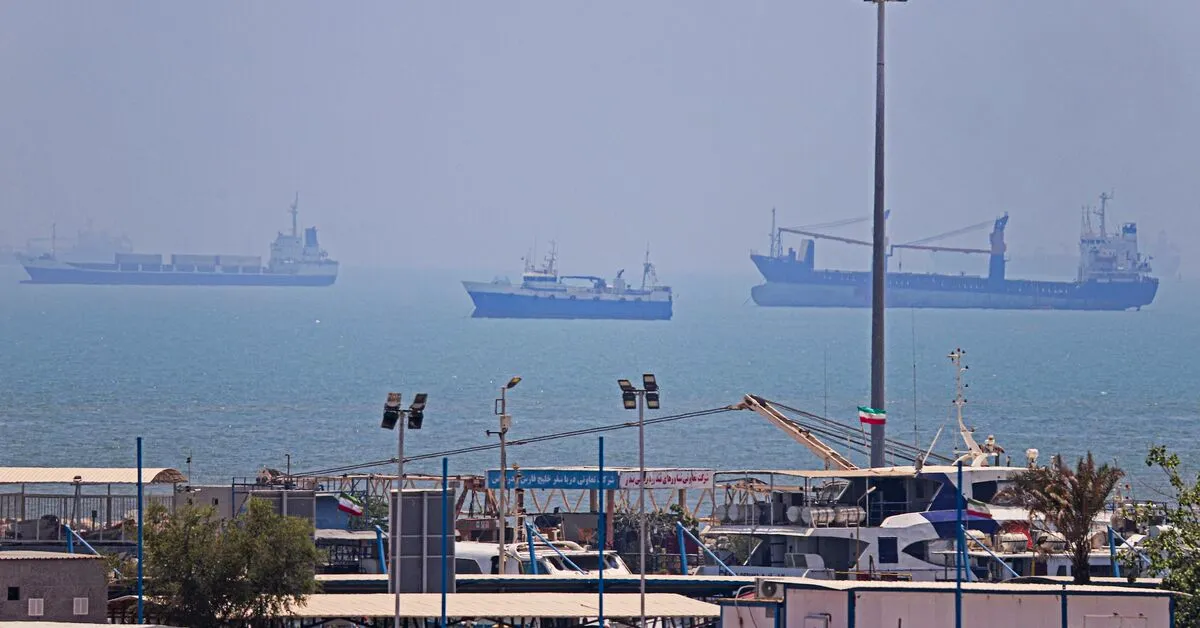 Photo: Al-Monitor
Key points
Oil prices rose more than 3% on 28 September 2026 as Iran and the US remained divided on terms to reopen the Strait of Hormuz.
Oil rose more than 3% on 28 September 2026 as Iran and the United States remained divided on terms to reopen the Strait of Hormuz, with Brent crude climbing to nearly $108 a barrel. President Donald Trump rejected Iran's latest proposal over the weekend, saying it would not be acceptable.
The rally matters because the Strait of Hormuz is a key route for energy shipments, and months of stop-start negotiations have not resolved a conflict that has disrupted Middle East oil flows through the waterway. The two sides are entering an eighth month of war, and the reopening of the strait remains uncertain.
What Trump said about the proposal
Trump told reporters in Washington that Iran's proposal to reopen the Strait of Hormuz was not acceptable. He said the conditions Iran wants are something Washington might have agreed to about a year ago, but Tehran has now overplayed its hand. Even so, the president expects negotiations to resume this week.
Negotiators were said to have explored a deal to reopen the waterway and for Washington to lift a blockade of Iranian ports. The agreement would have been similar to the memorandum of understanding reached in mid-June, which led to a fragile ceasefire before collapsing. Iran's semi-official ISNA news agency said foreign minister Abbas Araghchi would attend talks with mediators, but no US representatives would be present.
Brent's prompt spread, the difference between its two nearest contracts, widened to over $7 a barrel, from less than $1 at the end of last month. This bullish pattern, known as backwardation, is a classic indicator of a tight market. Fallout from the Iran war has shrunk the availability of very large crude tankers, sending shipping rates to record highs.
Where the supply tightness shows up
Prices pared some gains after Saudi Arabia was said to have started exporting oil using a key cross-country pipeline after the link was repaired following drone strikes earlier this month. Brent is up over 75% this year, and diesel has also been pushed higher by the Russia-Ukraine war. Trump said over the weekend the White House was looking at curbs on diesel exports very seriously.
Hamad Hussain, senior climate and commodities economist at Capital Economics, said that in the absence of a decisive end to the conflict in the Middle East, the balance of risks remains skewed towards higher oil prices. Speculators ramped up bearish wagers at the fastest pace since July last week, positions that could come under pressure with Monday's rally.
How markets absorbed the rally
The S&P 500 fell 0.5% and the Nasdaq Composite dropped 0.6% on 28 September 2026 as oil staged a 3% rally. US crude oil rose to almost $96. By mid-morning, the 10-year US Treasury yield had risen to 5.27%, its highest level since mid-June 2007, and the 30-year bond hit its highest level since May 2004.
Ed Yardeni, president of Yardeni Research, wrote on Saturday that the significant increase in oil prices so far this year has not knocked the wind out of the global economy's sails, and asked whether rapidly rising interest rates will do so. Analysts at Goldman Sachs said financial conditions have changed little since January.
The European Union has warned its member states about a potential energy crisis driven by the Middle East conflict, asking them to consider measures to cut demand and fill natural gas storage ahead of winter. In Europe, Dated Brent, a critical physical-market benchmark, has been trading at a wide premium to futures. Trump expects negotiations to resume this week, according to the Axios report. The path back to talks remains uncertain, with mediators planning to meet US and Iranian officials separately to discuss the stalemate over the war with Iran.
Frequently asked questions
Why did oil prices rise on 28 September 2026?
Brent crude rose more than 3% to nearly $108 a barrel after President Donald Trump rejected Iran's proposal to reopen the Strait of Hormuz, leaving talks stalled and supply through the key waterway uncertain.
What happened to US markets alongside the oil rally?
The S&P 500 fell 0.5% and the Nasdaq Composite dropped 0.6% on 28 September 2026, while the 10-year US Treasury yield rose to 5.27%, its highest level since mid-June 2007.
How this story was checked
- Fact-checked against 3 cited pages. 51 figures, dates and quotations in this story were found on the pages it cites.
- Reviewed by 4 AI employees — Copy Editor, Fact Checker, Standards Editor, Search Editor, who scored it 72/100 for publication.
Pages checked (3 of 3)
- hindustantimes.comread and checked
- al-monitor.comread and checked
- nbcnews.comread and checked
Written by Kaer from public reporting. Checked 28 September 2026.