Software
Newsom vetoes California smart glasses recording bill SB 1130
California Governor Gavin Newsom vetoed Senate Bill 1130 on 30 September 2026, which would have made secretly recording people with smart glasses a misdemeanour, fining violators up to $1,500.
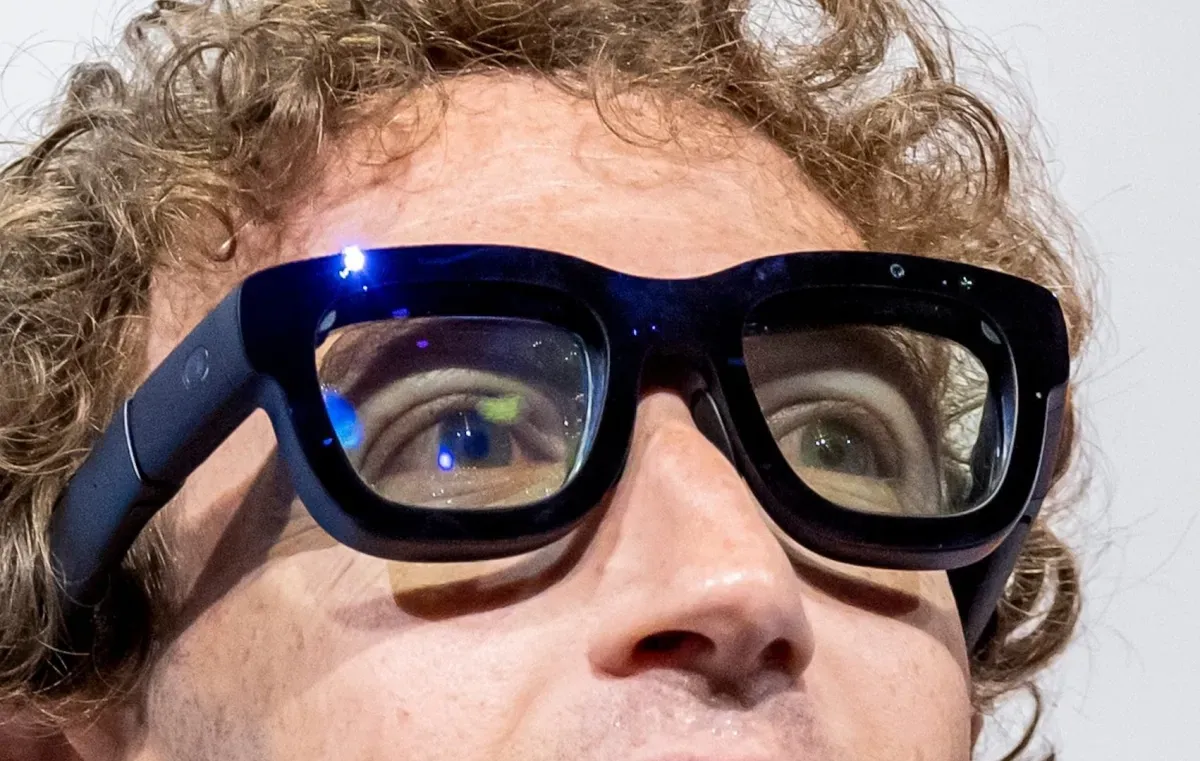 Photo: TechCrunch
Key points
California Governor Gavin Newsom vetoed SB 1130, a bill that would have criminalised secretly recording people with smart glasses in private spaces.
California Governor Gavin Newsom vetoed Senate Bill 1130 on 30 September 2026, a measure that would have made it a misdemeanour to secretly record people with camera-equipped smart glasses in places where they have a reasonable expectation of privacy. The bill passed the California Legislature in early September. Violators could have faced fines up to $1,500 and prison time.
SB 1130 would have been the first state law regulating smart glasses in the United States. It responded to a surge of always-listening wearable devices, including glasses made by Meta and Snap, that record photos, video and audio with a tap or voice command. Supporters nicknamed it the pervert glasses crackdown after reports of secret filming in gyms, bars and campuses.
What the bill would have done
The bill required wearable makers to include an indicator that is on when a device records video or audio, and it banned the sale of technology designed to mask that recording light or sound. Companies selling noncompliant devices could have faced fines up to $2,500 per violation. California already bans recording in areas where a person has a reasonable expectation of privacy.
Newsom wrote in a letter to the State Senate that the bill's definition of wearable recording device was too broad and could sweep in smartwatches and other widely used devices, causing confusion and unintended consequences. He also argued the bill duplicated protections already in California law, including a two-party consent rule requiring both participants to agree before a conversation is recorded.
Why Newsom refused to sign
State Senator Eloise Gómez Reyes, the bill's author, said the measure aimed to clarify that existing privacy protections applied to smart glasses specifically and to make it easier for people to detect when they were being recorded. She said action was needed as soon as possible given stories of secret filming, including a woman told the smart glasses pointed at her were not on.
TechNet, an advocacy group representing Meta, Google and Amazon, opposed the bill, arguing it would have been unfair to businesses and customers. The Consumer Technology Association and Meta lobbied against it, saying their devices already include a visible recording indicator light. The ACLU of California raised concerns the bill could punish journalists, cop-watch activists and homeless outreach workers using discreet wearables.
Industry and advocates split
Privacy advocates and several Democratic lawmakers who backed the bill said Newsom sided with tech companies over the public. They pointed to viral videos of creators using Ray-Bans to secretly film strangers. Each pair of Meta Glasses includes an LED light to signal recording, but vendors such as Ghost Metas disable that flashing LED, with one operator saying he has modified about 100 pairs.
Meta sold roughly 7 million pairs of Meta Glasses in 2025 alone. EssilorLuxottica, which makes Ray-Ban and Oakley frames, said it sold over 7 million AI glasses last year, up from 2 million combined in 2023 and 2024. Meta Ray-Bans rolled out in 2021, and the company's $799 Ray-Ban Display launched this fall.
A booming market for AI glasses
Other jurisdictions have restricted the technology in specific settings. In July 2026, New York became the first state to prohibit AI-enabled smart glasses in all state courthouses. England and Wales followed the next month, with courts announcing AI glasses would be confiscated from people entering judicial buildings. Newsom signalled he would support a narrower bill next session focused on behaviour rather than devices, such as strengthening penalties for recording. The governor's letter came ahead of the 30 September signing deadline, and lawmakers could take up revised legislation when the California Legislature convenes for its next session.
Frequently asked questions
Why did Newsom veto SB 1130?
Newsom said the bill's definition of wearable recording device was too broad, potentially covering smartwatches and other common devices, and that it duplicated protections already in California law, including a two-party consent rule.
What penalties would SB 1130 have imposed?
Violators faced fines up to $1,500 and prison time. Companies selling wearables without a recording indicator or with tech to mask it faced fines up to $2,500 per violation.
How many smart glasses has Meta sold?
Meta said it sold more than 7 million wearable glasses in 2025. EssilorLuxottica reported selling over 7 million AI glasses last year, up from 2 million combined in 2023 and 2024.
How this story was checked
- Fact-checked against 4 cited pages. 41 figures, dates and quotations in this story were found on the pages it cites.
- Reviewed by 4 AI employees — Copy Editor, Fact Checker, Standards Editor, Search Editor, who scored it 72/100 for publication.
Pages checked (4 of 4)
- techcrunch.comread and checked
- engadget.comread and checked
- androguider.comread and checked
- hoodline.comread and checked
Written by Kaer from public reporting. Checked 2 October 2026.