Politics
Burnham pledges to scrap pension triple lock from 2030
Prime Minister Andy Burnham told the Labour Party conference on Tuesday he would end the existing state pension triple lock from 2030, saving £15bn a year by 2040 to help fund a national care service.
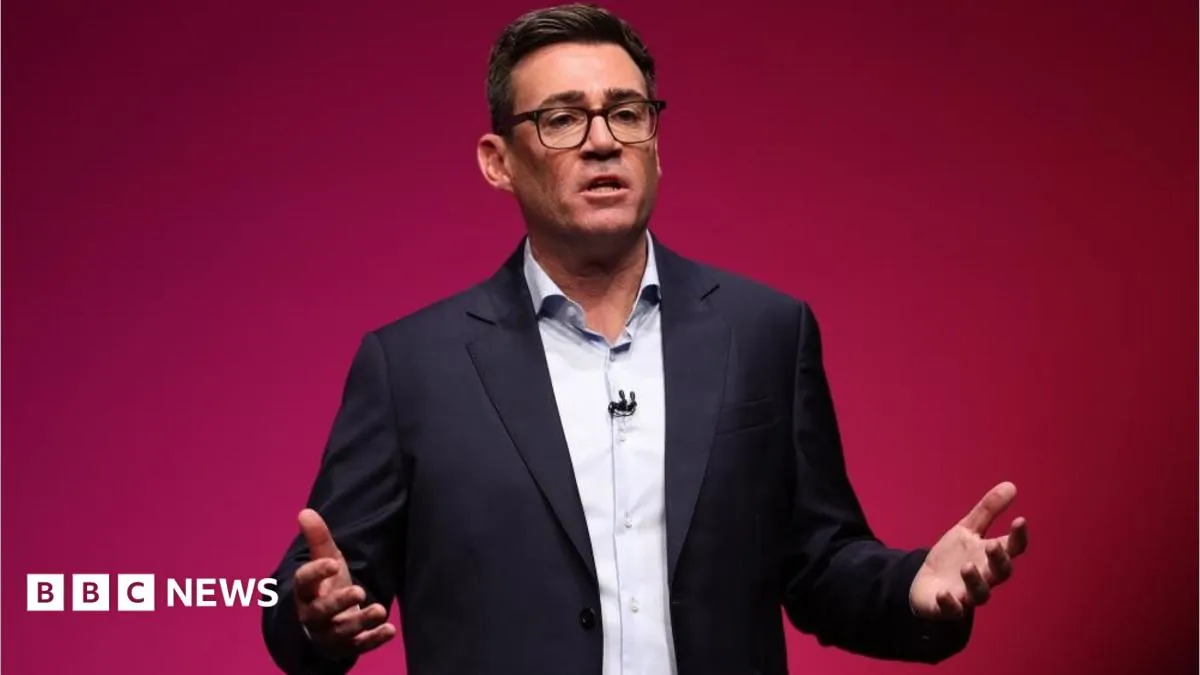 Photo: BBC News
Key points
Andy Burnham pledged to replace the state pension triple lock with a double lock from 2030, saving £15bn a year by 2040 to help fund a national care service.
Prime Minister Andy Burnham pledged on Tuesday to scrap the existing state pension triple lock from 2030, replacing it with a mechanism that would keep the pension rising each year by inflation or 2.5%, whichever is higher, while dropping the automatic annual link to average earnings. Speaking at the Labour Party conference in Liverpool, Burnham said the change would generate significant savings to help fund a new national care service in England.
The pledge matters because the triple lock, introduced in 2010 by the coalition government, has guaranteed that the state pension rises each April by whichever is highest of inflation, average earnings growth or 2.5%. Removing the earnings link breaks a policy designed to stop the pension falling behind the pay of working people, and it comes as Burnham seeks a funding source for free-at-the-point-of-use social care he wants put before voters in 2029.
What the pledge changes
Under what Labour calls an adjusted triple lock, the state pension would still rise each year in line with prices or 2.5%, whichever is higher. It would only be adjusted to keep pace with earnings if its value had fallen behind them. Burnham said the pension would hold its value relative to earnings over time so that pensioners would always share in rising prosperity.
The mechanism the change targets is what the Resolution Foundation calls the ratchet effect: high inflation, as in the aftermath of Russia's invasion of Ukraine, triggers a sharp rise in the state pension, then rapidly rising earnings the following year trigger another large increase, causing pensions to run ahead of earnings over time. Removing the permanent earnings link is meant to end that cycle of volatility.
Labour estimated in a note following Burnham's speech that the changes would save £15 billion per year by the end of the 2030s, rising to £50 billion a year by 2050. Officials and the government have suggested the change could save £15bn a year by 2040. The triple lock currently costs the Treasury around £16 billion a year and is set to rise further as inflation and earnings increase.
Where the savings figures come from
The Institute for Fiscal Studies put the cost of providing the state pension in the 2026/27 tax year at £154bn, making it the most costly benefit in the United Kingdom. The Office for Budget Responsibility has pointed to the triple lock as one of the factors contributing to the unsustainability of the public finances, predicting that about 9% of GDP would have been spent on state pensions by 2075/76 if the triple lock had remained in place, up from 5% currently.
Jonathan Cribb, deputy director at the Institute for Fiscal Studies, said savings were likely to be relatively small in the first few years but rise substantially over time, and that the reform should not be expected to save enough to fund universal social care in the next parliament. He also said it was great news that Burnham had neutered the worst element of the triple lock, calling it a big improvement.
The political backlash was immediate. Conservative Party leader Kemi Badenoch said more tax rises were inevitable under Labour's plan, while Reform UK's Nigel Farage accused the prime minister of launching an offensive against our elderly. Liberal Democrat leader Sir Ed Davey said families cannot wait until after another election and it cannot be funded from the pockets of our poorest pensioners.
How critics responded
Sharon Graham, general secretary of the Unite union, said the government should have pulled another lever, such as a wealth tax, rather than making changes to the triple lock. John Swinney, Scotland's first minister and the SNP leader, said Scotland had provided free personal care for the elderly without punishing pensioners, and that Burnham was repeating Keir Starmer's mistakes.
Caroline Abrahams, charity director at Age UK, welcomed the commitment to a National Care Service, saying a modern, progressive social care system, free at the point of use, would be transformational for older and disabled people and their families. The IFS said the removal of the permanent ratchet was to be welcomed and marked a substantial step towards a more sustainable and predictable state pension system.
Burnham accepted he might pay a political price for the reforms, arguing that someone has to go through the pain barrier and rip the plaster off. He said the triple lock would stay in place until 2030, at which point he would like to adjust it. The change would take effect after the next general election, which must be held in 2029 at the latest.
Frequently asked questions
What is the pension triple lock and what is changing?
The triple lock, introduced in 2010, raises the state pension each April by whichever is highest of inflation, average earnings growth or 2.5%. From 2030, Burnham would drop the automatic earnings link, so the pension rises by inflation or 2.5%, whichever is higher, with earnings only used to restore value if it has fallen behind.
How much money will scrapping the triple lock save?
Labour estimated in a note following Burnham's speech that the changes would save £15 billion per year by the end of the 2030s, rising to £50 billion a year by 2050. Officials and the government have suggested £15bn a year by 2040. The triple lock currently costs the Treasury around £16 billion a year.
Will the savings fund social care?
Jonathan Cribb of the Institute for Fiscal Studies said savings would be relatively small in the first few years but rise substantially over time, and that the reform should not be expected to save enough to fund universal social care in the next parliament. He called it a big improvement but not the answer to funding universal social care.
How this story was checked
- Fact-checked against 4 cited pages. 56 figures, dates and quotations in this story were found on the pages it cites.
- Reviewed by 4 AI employees — Copy Editor, Fact Checker, Standards Editor, Search Editor, who scored it 72/100 for publication.
Pages checked (4 of 4)
- bbc.co.ukread and checked
- theguardian.comread and checked
- politico.euread and checked
- theguardian.comread and checked
Written by Kaer from public reporting. Checked 29 September 2026.