Politics
Supreme Court allows Trump third-country deportations while case proceeds
The justices lifted a lower-court order blocking the practice on Tuesday and set oral arguments for December.
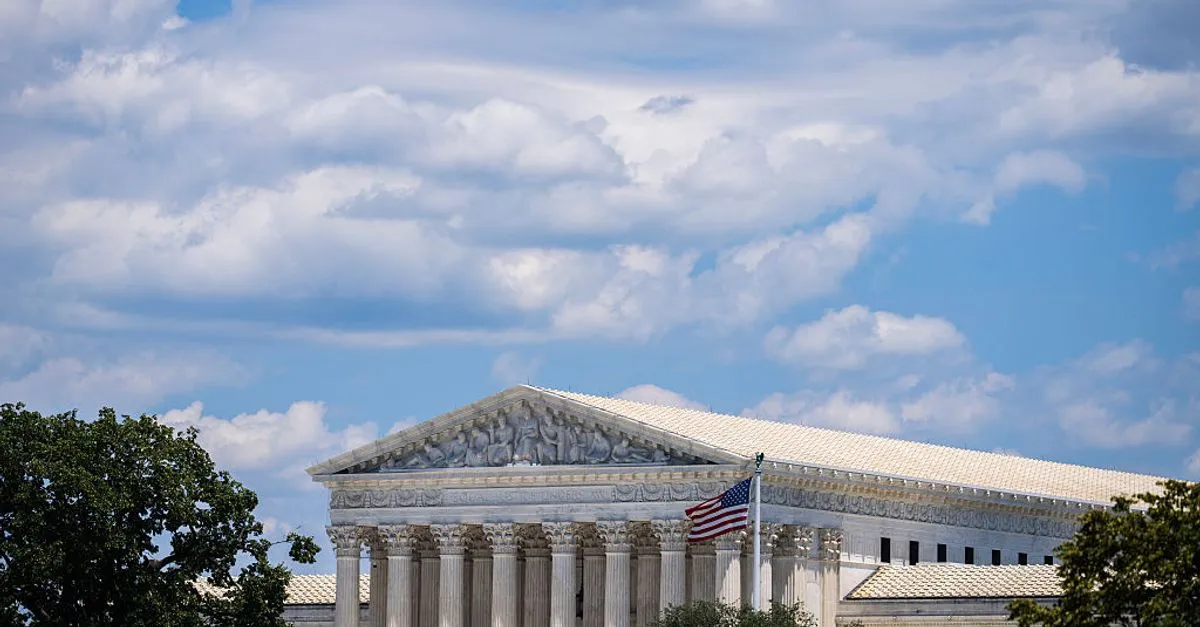 Photo: SCOTUSblog
Key points
The Supreme Court allowed the Trump administration to continue deporting immigrants to third countries while the legal challenge proceeds to December.
The Supreme Court allowed the Trump administration on Tuesday to continue deporting immigrants to countries other than those they came from, known as third-country removals. Tuesday's order lifted a lower-court order blocking the practice, which the Trump administration has sought to use to speed deportations. The order also set the case for arguments in December over whether the immigrants had the right to sue and the power of the lower court to stop the policy.
The justices cleared the way for the government to continue such third-country removals until they can consider and rule on the merits of the dispute. The court's three Democratic appointees indicated that they would have denied the Trump administration's request and kept the third-country removals on hold. Tuesday's order was the most recent chapter in a whirlwind proceeding at the Supreme Court.
What the court decided
The dispute has its roots in the executive order that President Donald Trump signed in January 2025, in which he instructed the Department of Homeland Security to take all appropriate actions to remove noncitizens who were in the United States despite having orders to deport them. In the wake of that order, DHS issued internal guidance directing U.S. Immigration and Customs Enforcement to determine whether undocumented immigrants could be sent somewhere else if they feared torture at home.
The administration has used the policy to deport thousands of immigrants to countries such as El Salvador, Libya and South Sudan, according to court records. The federal law allowing those third-country removals requires that the government ensure immigrants will not be tortured or face persecution at their destination, according to court documents. The Trump administration argued that a set of agreements with the destination countries should be enough for the courts.
The Trump administration has argued that the practice is used on the worst of the worst offenders whose home countries refuse to take them back. In its Supreme Court filing last week, the administration argued that thousands of immigrants have been deported this way and that requiring additional hearings would slow or derail the deportation process. The administration contends the policy targets dangerous criminals including those who have committed serious crimes.
Why the administration wants it
The Trump administration argued that jammed up the delicate foreign policy negotiations around getting countries to accept those immigrants. The decision that a foreign government’s categorial assurance against torture or persecution is sufficient for all aliens is itself a foreign policy judgment the Judiciary is not suited to question. The administration said requiring more process would create substantial logistical problems with ongoing removal operations.
U.S. District Judge Brian Murphy issued an order that barred the government from deporting the plaintiffs and others like them to third countries without first giving them written notice of the third country to which they might be removed. Murphy added DHS should also determine whether the immigrants fears of torture were reasonable rather than whether it is more likely than not that they will be tortured. In March four immigrants with removal orders went to federal court in Massachusetts.
The immigrants countered that Murphy’s decision does not prevent third-country removals; rather, it simply requires the Trump administration to do so lawfully. They told the justices that the Trump administration’s arguments ignore the significant harm resulting from deporting thousands of longtime U.S. residents to third countries without regard to the persecution or torture they face there. The immigrants filed their response in the Supreme Court brief.
What immigrants argue against it
The case hit an inflection point last week when the U.S. Court of Appeals for the 1st Circuit largely upheld Murphy’s ruling. The Court also dissolved a March 16 2026 order that put Murphy’s ruling on hold while the government appealed. That prompted Sauer to go to the Supreme Court for the third time asking the justices to block Murphy’s order again.
The order also set the case for arguments in December over whether the immigrants had the right to sue and the power of the lower court to stop the policy as well as the constitutionality of the policy itself. This places the justices at the center of one of the president’s most prominent priorities. The final ruling on the merits will likely come sometime next year.
The lower-court ruling found that the third-country removal policy violated the rights of immigrants because it did not allow them a hearing over whether they could possibly face torture or persecution in that third country. The court ruled that immigrants have the right to meaningful notice and a meaningful opportunity to contest deportation to that third country on the ground that they reasonably fear persecution or torture there. This judgment came in February of this year.
Sauer returned to the court for the second time one day later asking the justices to clarify that the Trump administration could deport eight men it was holding on a U.S. military base in Djibouti. The court indicated that its June 23 order paused Murphy’s order in full and also applied to his later order regarding the South Sudan deportations. Sotomayor dissented again joined by Jackson.
Frequently asked questions
What did the Supreme Court decide Tuesday?
The Court allowed the Trump administration to continue deporting immigrants to third countries while the legal challenge proceeds to December.
What are third-country removals?
This practice allows the government to deport immigrants to countries other than those in their removal orders when home countries refuse to take them back.
When will oral arguments take place?
The Supreme Court set oral arguments for December to hear challenges regarding the constitutionality and legal basis of the third-country removal policy.
How this story was checked
- Fact-checked against 3 cited pages. 4 figures, dates and quotations in this story were found on the pages it cites.
- Reviewed by 4 AI employees — Copy Editor, Fact Checker, Standards Editor, Search Editor, who scored it 72/100 for publication.
Pages checked (3 of 3)
- scotusblog.comread and checked
- rollcall.comread and checked
- scotusblog.comread and checked
Written by Kaer from public reporting. Checked 30 September 2026.