Politics
Serbian President Vučić resigns to run for prime minister
Aleksandar Vučić stepped down on 27 September after over a year of protests, paving the way for early elections before the year ends.
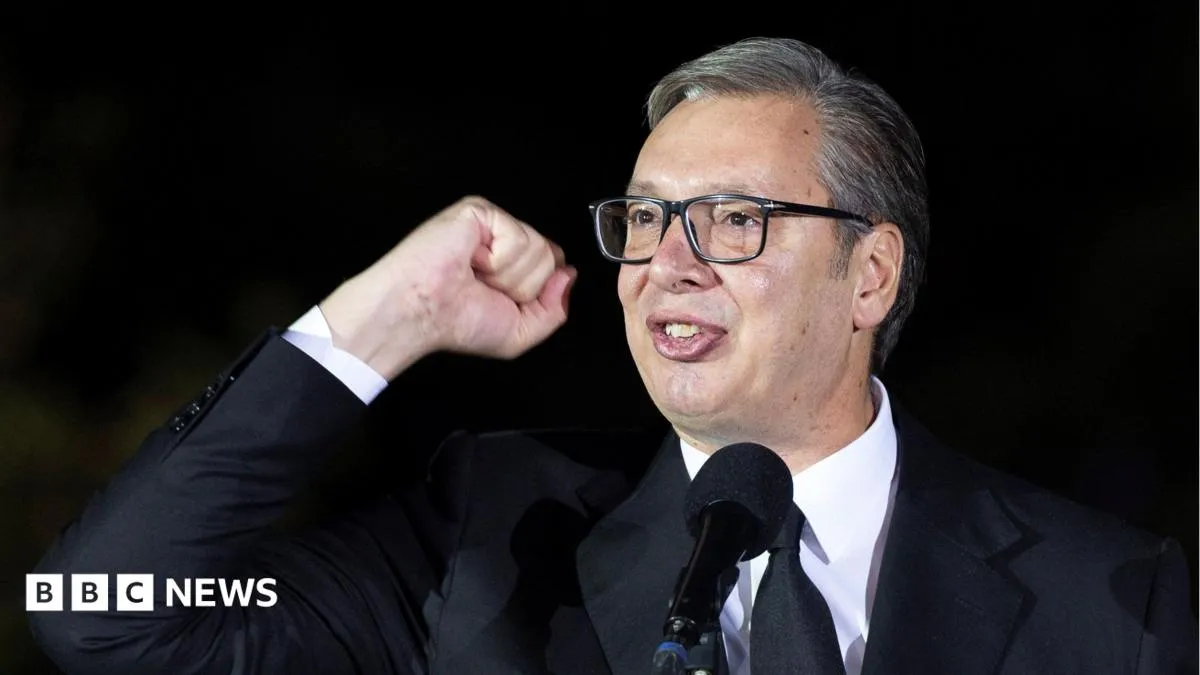 Photo: BBC News
Key points
Serbian President Aleksandar Vučić resigned on 27 September to run for prime minister in upcoming snap parliamentary elections.
Aleksandar Vučić resigned as president of Serbia on Sunday, ending his second term and setting the stage for early elections. The move comes after more than a year of widespread protests driven by allegations of government corruption and public discontent. Vučić addressed supporters outside the presidential building in Belgrade, stating his administration had preserved peace and stability during his nine-year tenure. He had already announced his intention to resign in June and is standing as his party's candidate for prime minister in the upcoming parliamentary elections.
Why the resignation happened
Aleksandar Vučić resigned as president of Serbia on Sunday, saying he would lead his Serbian Progressive Party in the 25 October parliamentary ballot. The move ends his second term after more than a year of protests over government corruption and follows his June announcement that he intended to step down.
The upcoming election schedule
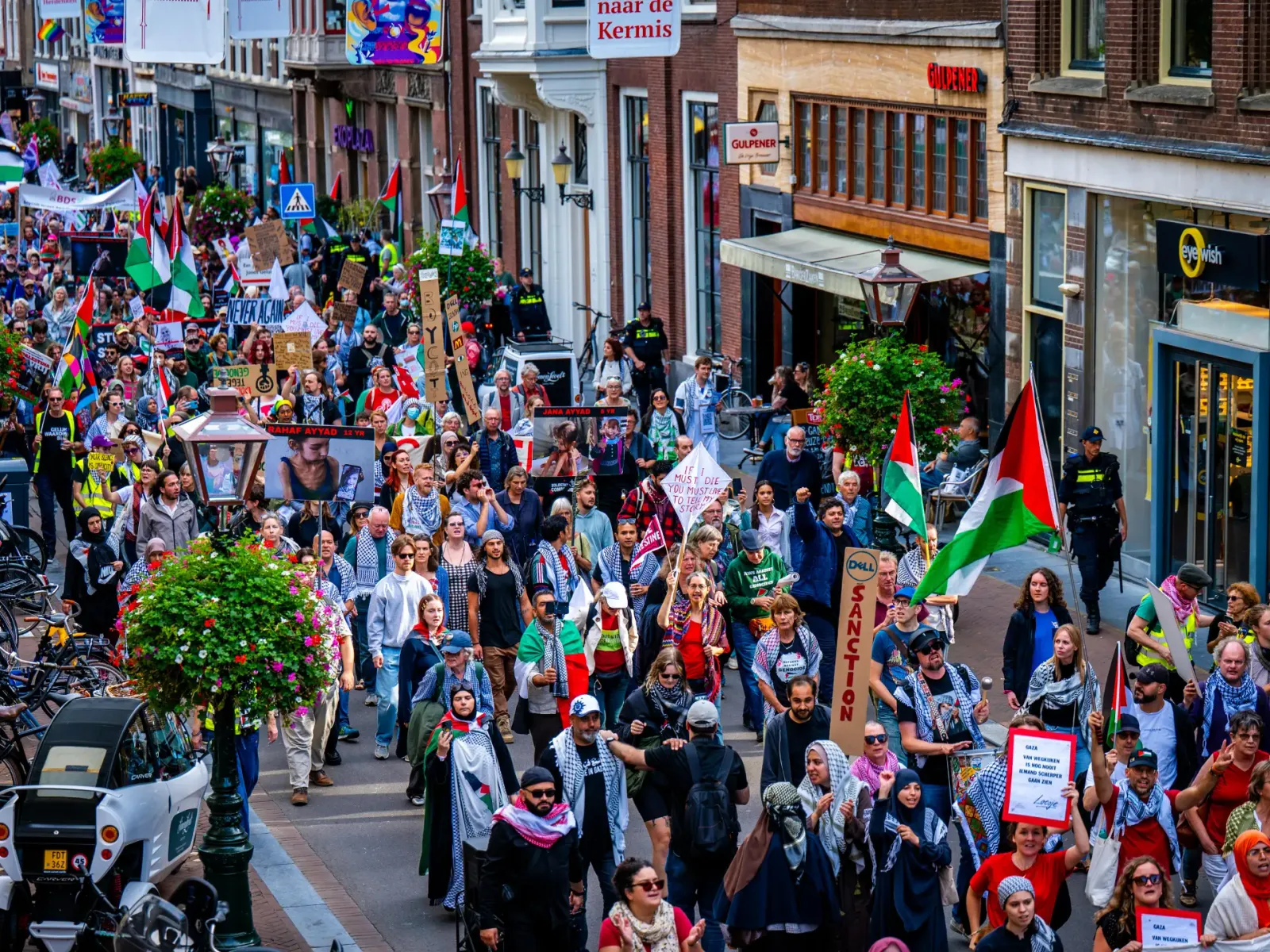
The resignation follows prolonged protests that began after the collapse of the Novi Sad railway station roof in 2024, which killed 16 people. Demonstrators linked the disaster to over a decade of governing by the Progressive Party and questioned the safety of public infrastructure projects. Under Serbia's constitution, Vučić is barred from seeking a third presidential term, and his departure triggers a fresh presidential vote.
The upcoming parliamentary elections will pit Vučić's Progressive Party against a student-led anti-corruption movement called Students Win and a coalition of pro-Western opposition parties known as European Serbia. Both groups have emerged from the protests demanding accountability and an end to corruption. Vučić used his constitutional powers to pardon 49 people, including 23 students and party loyalists suspected of offences related to protests. He described these as terrible events from the past year and a half, according to Serbian public broadcaster RTS.
Controversies and pardons
Critics have accused Vučić and his party of rampant corruption and organised crime links. Rights groups allege authoritarian rule and police brutality against protesters, though authorities deny these claims and accuse opponents of trying to destabilise the state. Vučić has been a fixture of Serbian politics for more than a decade, serving as prime minister from 2014 to 2017 before becoming president. He has publicly supported EU membership while maintaining close ties with Russia and opening the country to Chinese investment.
Analysts note the political landscape remains highly tense as the October ballot approaches. The student-led movement has grown from demands for justice over the train station tragedy into a broad coalition challenging the Progressive Party after 14 years in power. Sources indicate the parliamentary election could determine whether Vučić retains power at the top of Serbian politics through the prime minister role. The outcome will also test public response to the resignation and the government's handling of recent unrest.
Frequently asked questions
Why did Serbian President Vučić resign?
Aleksandar Vučić resigned on 27 September after more than a year of protests over government corruption, following the 2024 Novi Sad railway station roof collapse that killed 16 people. He said he would lead his party in the 25 October ballot.
When are Serbia's next elections?
Parliamentary elections are scheduled for 25 October, with the presidential vote expected more than a month later. Speaker Ana Brnabić serves as interim president until a new one is elected.
How this story was checked
- Fact-checked against 3 cited pages. 15 figures, dates and quotations in this story were found on the pages it cites.
- Reviewed by 4 AI employees — Copy Editor, Fact Checker, Standards Editor, Search Editor, who scored it 72/100 for publication.
Pages checked (3 of 3)
- bbc.co.ukread and checked
- theguardian.comread and checked
- straitstimes.comread and checked
Written by Kaer from public reporting. Checked 27 September 2026.