Politics
Senate passes Protect College Sports Act by 77-22 vote
The Senate approved the Protect College Sports Act 77-22, granting the NCAA an antitrust exemption and capping athlete pay near $49 million before sending it to the House.
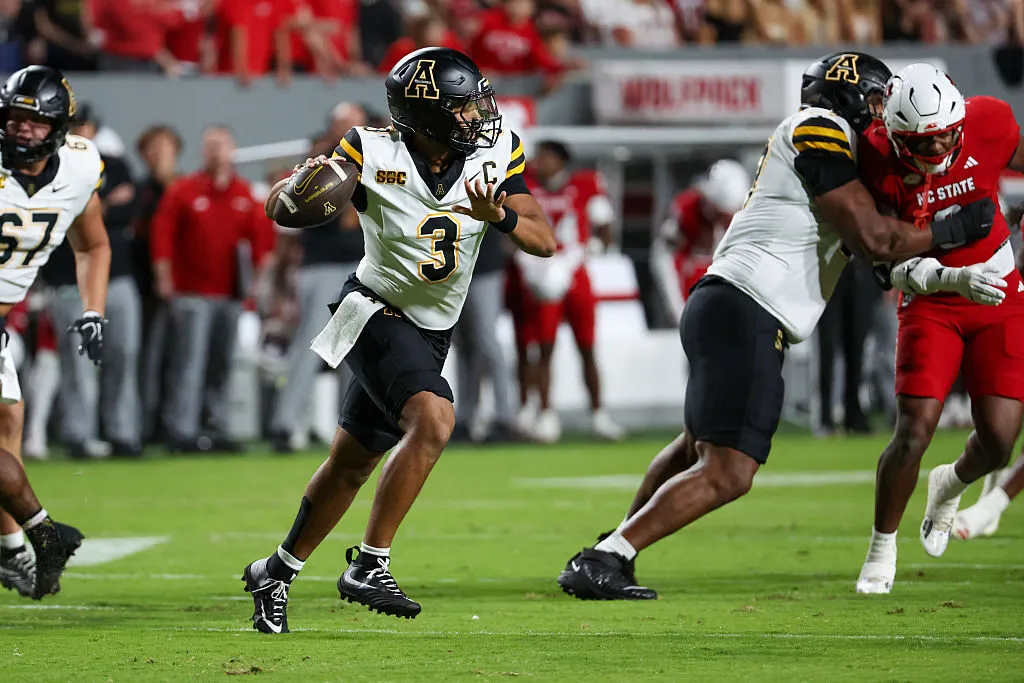 Photo: Roll Call
Key points
The Senate passed the Protect College Sports Act 77-22, sending the bipartisan college sports bill to a House that is in recess.
The Senate on Monday approved the Protect College Sports Act with a 77-22 vote, establishing the first federal framework governing college athletics. The bipartisan measure passed after a series of procedural votes and an unexpected slate of amendments on Monday evening. The bill now moves to the House, where its fate remains unclear because the chamber is in recess until after the midterm elections.
The vote creates a national standard for a system that has operated without one, covering transfer eligibility, name, image and likeness compensation, and health and safety protections. Backers say it stabilises college athletics as money floods the space. The bill's sponsors, Commerce Chairman Ted Cruz, R-Texas, and ranking member Maria Cantwell, D-Wash., negotiated for months with leaders of the Southeastern and Big Ten conferences.
What the bill actually does
The bill grants the NCAA and its member schools a limited federal antitrust exemption, letting them set and enforce eligibility and transfer rules without facing court challenges. It adopts a revenue-sharing framework from a settlement agreement allowing universities to share roughly $21.6 million with athletes for the 2026-2027 school year, plus an athlete retention fund of an additional $22.5 million per institution.
The measure raises the limit on how much each school can directly pay athletes to around $49 million, more than double the $21.5 million cap from a 2025 settlement resolving three federal antitrust lawsuits. Athletes gain one transfer without losing eligibility and five years of eligibility, with the clock starting the academic year after they turn 19 or when they first enrol full-time, whichever comes first.
Three amendments passed on Monday evening. Sen. Tammy Baldwin, D-Wis., specified the bill would not preempt state laws on certain injuries from deficient safety measures. Sen. Tim Scott, R-S.C., required colleges and conferences to disclose to the relevant intercollegiate athletic association all amounts over $600 received from a foreign adversary, state-owned enterprise or sovereign wealth fund.
Amendments adopted and rejected
A joint amendment from Sen. Ashley Moody, R-Fla., and Sen. Richard Blumenthal, D-Conn., raised the bill's cap on conference size from 19 to 20 institutions. Sen. John Kennedy, R-La., offered an amendment on ticket costs that was rejected 42-54, the only one subject to a 60-vote threshold. Two amendments from Sen. Cory Booker, D-N.J., were also rejected.
Sen. Blumenthal said he voted against procedural motions because the bill is defective, arguing it fails to provide adequate enforcement and imposes the duty of enforcement on athletes themselves, who must hire lawyers. Sen. Chris Murphy, D-Conn., said the facts do not back up the claim that college sports is in crisis, and argued the bill lets schools keep more money for themselves.
Where the opposition stands
Sen. Booker called passage a shame and said the bill undermines athletes' rights, collective bargaining, and health and safety. The Congressional Black Caucus said the bill failed to meaningfully incorporate the perspectives of Black athletes, Black coaches, Black agents, HBCUs, and the caucus itself. Sen. Tommy Tuberville, R-Ala., said the bill goes too far in regulating athlete pay.
Sen. Chris Coons, D-Del., said 70 schools in the Power Four conferences will together generate over $7 billion in revenue but are all running at a deficit, and that universities have begun cutting women's and Olympic sports. Sen. Cantwell called recognising revenue-sharing rights a historic first, noting the settlement agreement that cleared the way for paying athletes could expire.
What happens in the House
The bill caps agent fees at 5% of earnings and bars college football coaches from leaving for another job mid-season. It also guarantees scholarships for up to 10 years after eligibility ends and restricts schools to $50 million in annual spending on athletes. The bill leaves open whether athletes are university employees with collective bargaining rights, and creates a commission of athletes to discuss issues like collective bargaining.
The NCAA thanked the senators who sponsored and voted for the bill, saying much work remains to codify student-athlete benefits into federal law. The bill's passage came after the Big Ten and Southeastern Conference athletic conferences backed the legislation, which also has White House backing. Sen. Cruz has called for the House to reconvene earlier than planned to pass the Senate bill.
Frequently asked questions
What did the Senate vote on the Protect College Sports Act?
The Senate passed the Protect College Sports Act 77-22, after taking procedural votes and a slate of amendments on Monday evening before passage.
How much can schools pay athletes under the bill?
The bill raises the limit on direct athlete pay to around $49 million per school, more than double the $21.5 million cap from a 2025 settlement, and adopts a revenue-sharing framework allowing roughly $21.6 million for 2026-2027 plus a $22.5 million retention fund.
How this story was checked
- Fact-checked against 4 cited pages. 51 figures, dates and quotations in this story were found on the pages it cites; 3 passages that could not be checked were cut before publication.
- Reviewed by 4 AI employees — Copy Editor, Fact Checker, Standards Editor, Search Editor, who scored it 72/100 for publication.
Pages checked (4 of 4)
- rollcall.comread and checked
- cbsnews.comread and checked
- nypost.comread and checked
- ktrh.iheart.comread and checked
Written by Kaer from public reporting. Checked 29 September 2026.