World
Ireland squad votes by significant majority to play Israel
Ireland's 26-player squad voted on 26 September to play Israel in a Nations League match set for Sunday in Debrecen, Hungary, after one player withdrew and training was delayed.
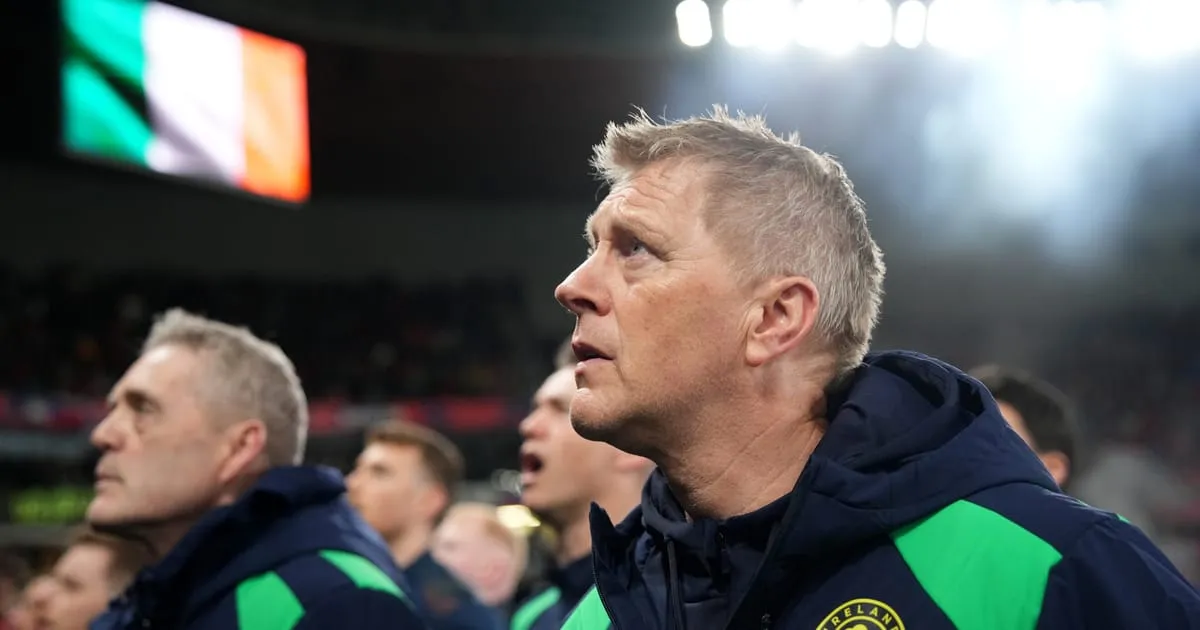 Photo: POLITICO
Key points
Ireland's 26-player squad voted by a significant majority on 26 September to play Israel in a Nations League fixture on Sunday in Debrecen, Hungary.
Ireland's men's football squad voted on 26 September to play Israel in a Uefa Nations League fixture set for Sunday at a neutral venue in Debrecen, Hungary. The Football Association of Ireland (FAI) said a significant majority of the 26-player squad chose to proceed, after one unnamed player withdrew from the squad citing discomfort at facing Israel.
The vote ended hours of uncertainty that had delayed training and a press conference. It matters because it settles, at least for now, whether Ireland will fulfil two fixtures against Israel that have drawn protests in Ireland since the teams were drawn together in February. The decision also places the squad's stance on record: players will skip pre-game handshakes and wear black armbands.
What the vote decided
FAI chief executive David Courell told reporters in Debrecen that a vote was held to establish the squad's sentiment on fulfilling the fixtures. "It was a significant majority that was returned with the intention to continue," Courell said. He declined to give the precise breakdown. Courell said the association then took the decision on behalf of Irish football that the fixture would continue.
The chain of events began when one unnamed player announced his intention to withdraw early on 26 September, citing discomfort at playing against Israel. That prompted the delay of a scheduled press conference and training session, and led the squad to hold the vote. Courell said the player's stance triggered four hours of conversations among players and some coaching personnel.
Head coach Heimir Hallgrímsson, an Icelander, said the squad was "almost to a breaking limit now" and that they were legally and professionally obligated to play. "Nobody is comfortable playing this game," Hallgrímsson said, describing the situation as a Catch-22. "It's two choices and both are tough and bad. It's a situation where you can't win." He said the team would avoid pre-game ceremonies and handshakes with Israeli players.
How the delay unfolded
A Uefa delegate present confirmed that European football's governing body learned of the delay at the same time as media, and that one potential punishment is a fine. The match will be played without Irish fans. Ireland's designated home fixture against Israel, set for 4 October, was moved from Dublin's Aviva Stadium to Backa Topola, Serbia, over concerns about disruption and security.
Political reaction in Ireland was sharp. Social Democrats sport spokesperson Daniel Ennis said the decision to fulfil the fixture was disappointing but that the weight of the choice should never have been placed on the players. Sinn Féin sport spokesperson Joanna Byrne called it "the worst decision ever made by any board of the FAI", while Labour TD Ciarán Ahern said the government placed the FAI and players under "unbelievable financial and moral pressure".
The Stop the Game campaign said the FAI had failed "catastrophically and completely" in its stated duty to protect players, and said it would continue opposing what it called the "sportswashing of Israel's genocide" and plan further actions. A Siptu spokesperson also raised concern for players' welfare, saying the decision should never have been placed on them.
Reactions from politicians and campaigners
The Israel Football Association said football and politics must remain separate. "What pleases us today, is that football has won," it said in a statement. The association also said flags would be raised, anthems played, and both teams' players and coaches would have the chance to shake hands. Earlier, it had condemned Hallgrímsson as a figure of "ignorance, hypocrisy and stupidity" after he said Ireland would be "playing against genocide".
The political backdrop runs deep. Ireland recognised Palestinian statehood in 2024 alongside Spain and Norway, and Israel shut its Dublin embassy after Irish leaders described the Gaza death toll and destruction as "genocidal". The FAI voted in November for its board to request that UEFA suspend Israel from European competitions, and passed a motion in July in favour of proceeding with these fixtures.
What happens next
Both matches will be televised in Ireland with minimal commentary. The first fixture, officially Israel's home game, takes place on Sunday in Debrecen; the second, Ireland's home fixture, is set for 4 October in Backa Topola, Serbia, with no fans present. The Israel Football Association offered no immediate reaction to the Irish side's decision beyond its statement on separating football and politics.
Frequently asked questions
What did Ireland's players decide about the Israel match?
Ireland's 26-player squad voted on 26 September, and the FAI said a significant majority chose to play Israel in the Nations League fixture set for Sunday in Debrecen, Hungary.
Why was the vote held?
One unnamed player announced he would withdraw from the squad, citing discomfort at playing against Israel. That delayed training and the press conference and prompted four hours of player conversations and a squad vote.
What happens at the match itself?
Ireland players plan to skip pre-game handshakes and ceremonies with Israeli players and will wear black armbands in recognition of all lives lost in the conflict. The match will be played without Irish fans.
How this story was checked
- Fact-checked against 4 cited pages. 28 figures, dates and quotations in this story were found on the pages it cites.
- Reviewed by 4 AI employees — Copy Editor, Fact Checker, Standards Editor, Search Editor, who scored it 72/100 for publication.
Pages checked (4 of 4)
- politico.euread and checked
- thejournal.ieread and checked
- punchng.comread and checked
- channelnewsasia.comread and checked
Written by Kaer from public reporting. Checked 26 September 2026.


