World
Hurricane Polo nears Baja California as Nolo rains on Hawaii
Hurricane Polo approached Mexico's Baja California peninsula with 125 mph winds on Monday, while Hurricane Nolo, off Hawaii, threatened up to 20 inches of rain on the Big Island.
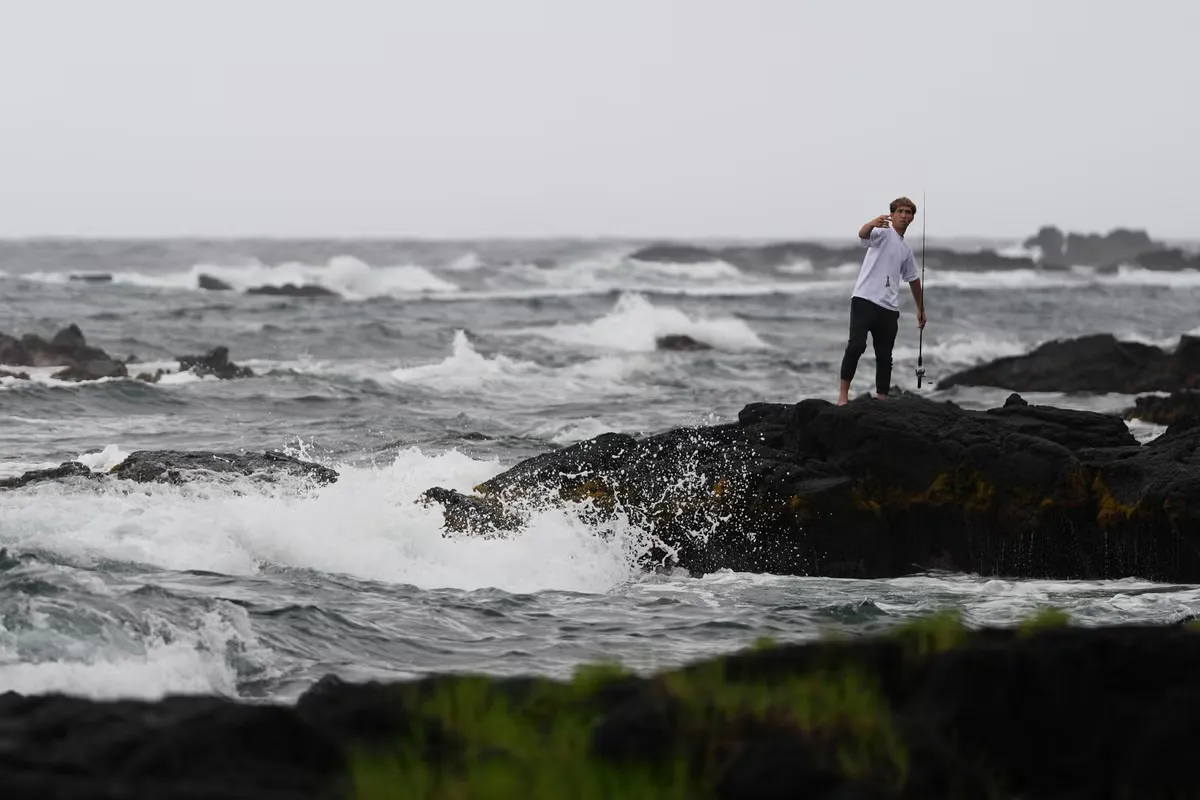 Photo: The Independent
Key points
Hurricane Polo bore down on Mexico's Baja California peninsula with 125 mph winds while Hurricane Nolo moved away from Hawaii after bringing heavy rain.
Hurricane Polo bore down on Mexico's Baja California peninsula on Monday, threatening storm surges, high winds and heavy rainfall, while Hurricane Nolo triggered heavy rain across parts of Hawaii even as it moved away from the islands. By Sunday evening, Polo had strengthened into a Category 3 hurricane with maximum sustained winds of 125 mph, the U.S. National Hurricane Center in Miami reported.
The two storms matter because they strike different coasts in the same unusually active Pacific season. Polo was expected to lash Baja California overnight, bringing the danger of flooding and mudslides, while Nolo's outer rainbands still threatened severe flooding and landslides in Hawaii. Forecasters indicated Polo would move across Baja California before striking the Mexican mainland, potentially carrying heavy rain into the U.S. Southwest later in the week.
Polo bears down on Baja California
Polo was located about 270 miles west of Cabo San Lucas at the peninsula's tip, moving north at 12 mph, the hurricane center said. The U.S. National Hurricane Center said Polo would make landfall Monday evening over Baja California Sur and still be at or near major hurricane strength, meaning maximum sustained winds of at least 111 mph. A hurricane warning was in effect for part of Baja California Sur and the mainland from Bahia Kino to Huatabampito.
Polo had undergone what the hurricane center called extreme rapid intensification between 21 and 22 September, with winds rising from 45 mph on the morning of 21 September to 150 mph around the same time the following day. Its maximum sustained winds climbed as high as 180 mph at one point, far exceeding the 157 mph threshold for Category 5. Its central pressure made it the second-strongest hurricane on record in the Eastern Pacific, behind 2015's Hurricane Patricia.
In Puerto San Carlos, a fishing community of around 5,700 people on the Baja California peninsula, residents spent Sunday boarding up homes while workers moved dirt and debris to bolster protective earthworks. Authorities warned that 90% of the town was vulnerable to flooding. Several families prepared to evacuate to emergency shelters in Ciudad Constitucion, roughly 37 miles away.
Where the flood risk concentrates
Rocío Sánchez, a fisherman, said Civil Protection told residents of San Carlos to evacuate because the area is high-risk and the earthen barriers could give way with the current tides, expected waves and wind. Directly in Polo's path lies San Juanico, a small fishing village on Baja's Pacific coast. Gloriely Robles Meza, a manager at a small hotel, said their people are concerned about the event.
Nolo was situated far southwest of Hawaii, pulling away from the Big Island by Sunday evening, though high-wind warnings, wind advisories and high-surf advisories remained active across parts of the island. Nolo's top sustained winds reached nearly 105 mph. Forecasters warned Nolo's outer rainbands could cause severe flooding and landslides, with areas of the Big Island facing up to 20 inches of rainfall.
Nolo pulls away from Hawaii
Over 120 National Guard members were deployed from roughly 400 activated statewide after Hawaii's governor declared an emergency. President Donald Trump approved federal disaster relief, enabling the Federal Emergency Management Agency to coordinate support and provide funds. Residents across Hawaii are still recovering from Hurricane Lala, which brought heavy rain and winds strong enough to push roughly 100 homes off their foundations on the Big Island.
National Weather Service lead forecaster Bob Oravec said Pacific storm activity was running above typical levels during the peak hurricane season, a trend he said fits El Niño patterns that promote tropical storm and hurricane formation. Unusually strong El Niño conditions warmed waters, added moist air and reduced wind shear, enabling storm formation. On Sunday, Tropical Storm Rachel also developed far off Mexico's southwestern coast.
Frequently asked questions
Where is Hurricane Polo heading?
Hurricane Polo was about 270 miles west of Cabo San Lucas, moving north at 12 mph, and was forecast to make landfall Monday evening over Baja California Sur at or near major hurricane strength with winds of at least 111 mph.
How much rain could Hurricane Nolo bring to Hawaii?
Forecasters warned Nolo's outer rainbands could bring up to 20 inches of rain to the eastern and southern portions of the Big Island, with Maui possibly seeing 4 to 8 inches.
Why has the Pacific hurricane season been so active?
National Weather Service lead forecaster Bob Oravec said activity was running above typical levels and fits El Niño patterns. Unusually strong El Niño conditions brought warmer waters, moist air and less wind shear, enabling storm formation.
How this story was checked
- Fact-checked against 4 cited pages. 45 figures, dates and quotations in this story were found on the pages it cites.
- Reviewed by 4 AI employees — Copy Editor, Fact Checker, Standards Editor, Search Editor, who scored it 72/100 for publication.
Pages checked (4 of 4)
- independent.co.ukread and checked
- upi.comread and checked
- cbsnews.comread and checked
- cbsnews.comread and checked
Written by Kaer from public reporting. Checked 28 September 2026.