World
France strikes and student protests detain 440 people nationwide
French public workers and students struck on 29 September 2026, with 440 people detained, 10 injured and 400 schools disrupted two days before the 2027 draft budget.
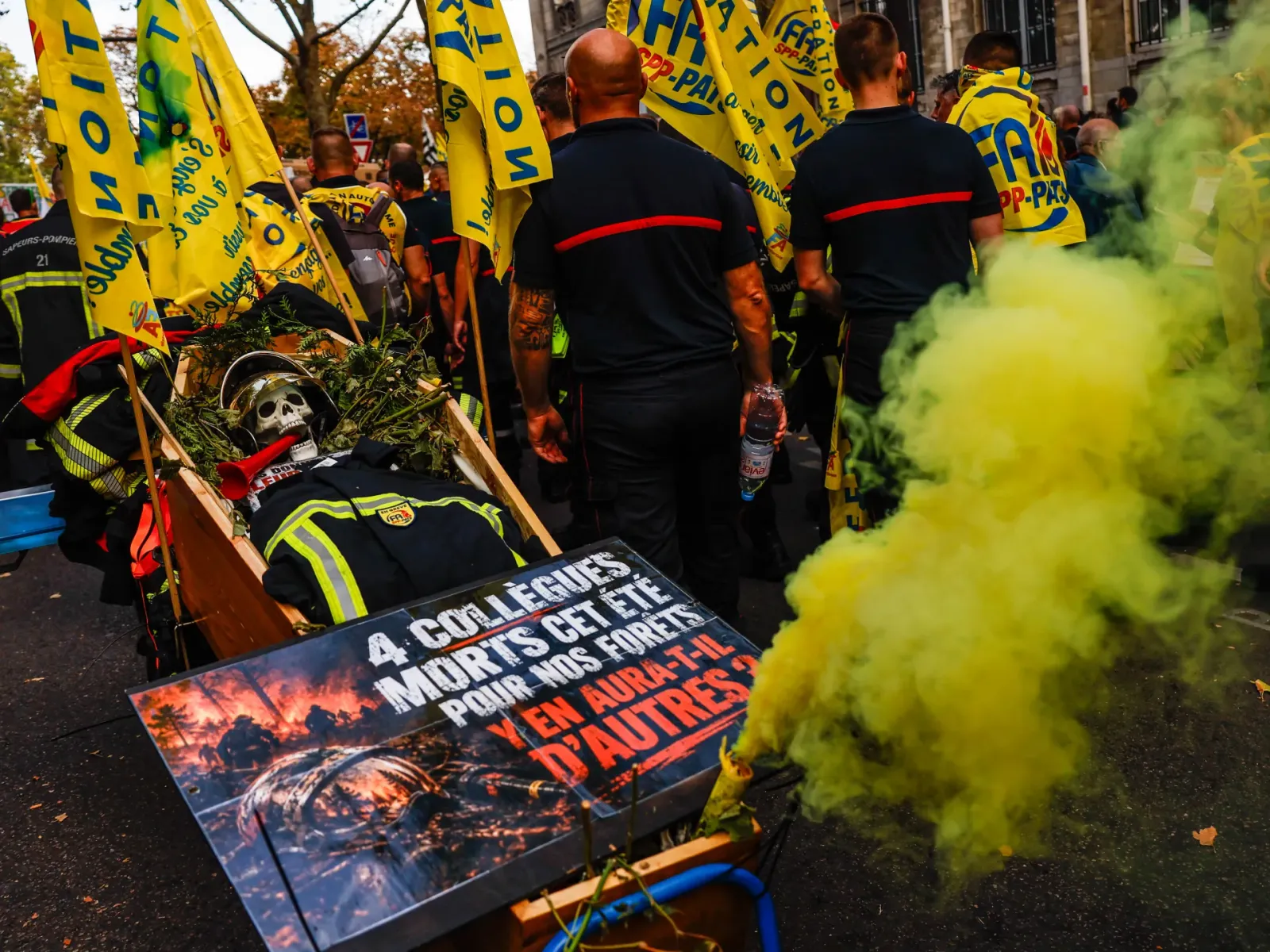 Photo: Al Jazeera
Key points
French public workers and students struck on 29 September 2026, with 440 people detained and about 400 schools disrupted ahead of the 2027 draft budget.
French public workers and students struck across the country on 29 September 2026, with unions saying 300,000 people joined the one-day action and police detaining 440 people. Protests hit more than 400 schools, ten people were wounded, and 48 law enforcement officials were injured during clashes. The mobilisation came two days before the government was to unveil its draft budget and seven months before the presidential election. The strikes put pressure on Prime Minister Sébastien Lecornu's government as it tries to rein in France's finances, with public debt reaching €3.595 trillion at the end of June, about 119% of GDP.
What the strikes demanded
Unions said some 300,000 people took part in the one-day strike nationwide, while police on Tuesday estimated a turnout of 30,000 in Paris. The workers demanded higher pay, better working conditions and an end to the government's planned budget cuts. Interior Minister Laurent Nuñez said at least 200,000 people took part in labour actions.
The government proposes freezing base salaries for state employees in 2027 to save 2 billion euros ($2.3bn), which would be the fourth consecutive annual freeze and the eighth during President Emmanuel Macron's tenure. Unions say the freezes have cost workers a double-digit share of their purchasing power, and they are demanding a 6 percent raise.
Sophie Binet, general secretary of the General Confederation of Labor, called the protests "a red alert" and gave the government 48 hours to reverse the planned cuts before her union decides on further strike action. The Education Ministry said just more than 11 percent of teachers and other school staff went on strike, with fewer than 1 in 10 other civil servants taking part.
How the budget drives anger
Lecornu's government is seeking a €54 billion savings package in the draft 2027 budget to bring the public deficit down, while warning public debt could reach 121.7% of GDP in 2027. France is expected to spend around €79 billion on interest payments this year, with the figure projected to rise to €91 billion in 2027.
Protests took place at more than 400 schools, about 40 of which were blockaded and 44 of which faced attempted blockades, out of roughly 3,700 nationwide. Students piled up bins and barriers to prevent access, and demonstrations began in the Ile-de-France region around Paris before spreading to Lille, Lyon, Nantes, Marseille, Bordeaux and Rennes.
Where school protests spread
Ten people, both students and staff members, were wounded, and at least 440 were detained, officials said. Interior Minister Laurent Nuñez told BFMTV that two thirds of those detained led to police custody, and said most were minors. Students in some places set fire to rubbish bins and hurled projectiles, and officers responded with batons and tear gas.
Students cited teacher shortages, overcrowded classrooms, poor school conditions and timetables as grievances. A 16-year-old student said there were 34 students in each class, calling the education system "completely broken." Education Minister Edouard Geffray condemned the clashes, saying legal proceedings had begun, while Prime Minister Lecornu acknowledged that the difficulties of high schools must be heard and addressed.
What happens next
The unrest came as France grapples with a mounting debt burden and rising interest costs, with the government trying to cut spending while unions resist pay restraint and students demand more teachers. Jean-Luc Melenchon, a hard-left presidential contender, accused the government of dismantling public services and urged supporters to mobilise against the draft budget. Sophie Binet gave the government 48 hours to reverse the planned spending cuts before the CGT union considers further strike action. The government is to unveil its draft budget two days after the strikes, with the presidential election seven months away.
Frequently asked questions
How many people were detained in France on 29 September 2026?
Interior Minister Laurent Nuñez said 440 people had been detained, with two thirds led to police custody, and most were minors, according to officials.
Why did French public workers strike?
Unions said workers struck over a proposed freeze on base salaries for state employees in 2027, which would save 2 billion euros and mark the fourth consecutive annual freeze.
How many schools were affected by the protests?
Protests took place at more than 400 schools out of roughly 3,700 nationwide, with about 40 blockaded and 44 facing attempted blockades.
How this story was checked
- Fact-checked against 3 cited pages. 69 figures, dates and quotations in this story were found on the pages it cites.
- Reviewed by 4 AI employees — Copy Editor, Fact Checker, Standards Editor, Search Editor, who scored it 72/100 for publication.
Pages checked (3 of 3)
- aljazeera.comread and checked
- timesofindia.indiatimes.comread and checked
- rtvonline.comread and checked
Written by Kaer from public reporting. Checked 30 September 2026.