Politics
Brazilians vote on 4 October in tight Lula-Bolsonaro race
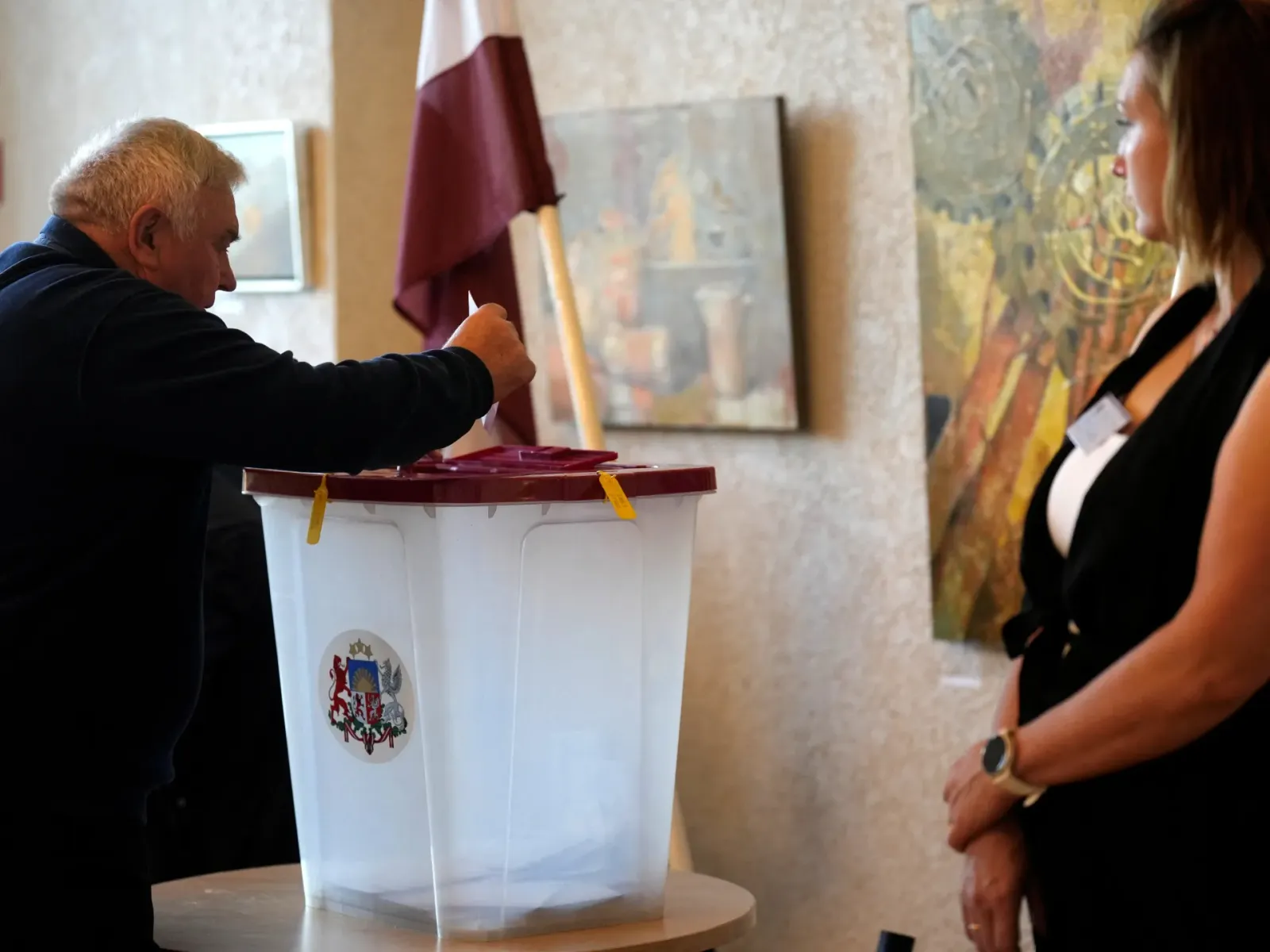
Twelve candidates including Lula and Flávio Bolsonaro face voting on 4 October 2026, with polls showing a neck-and-neck race and a 25 October runoff if no one passes 50%.
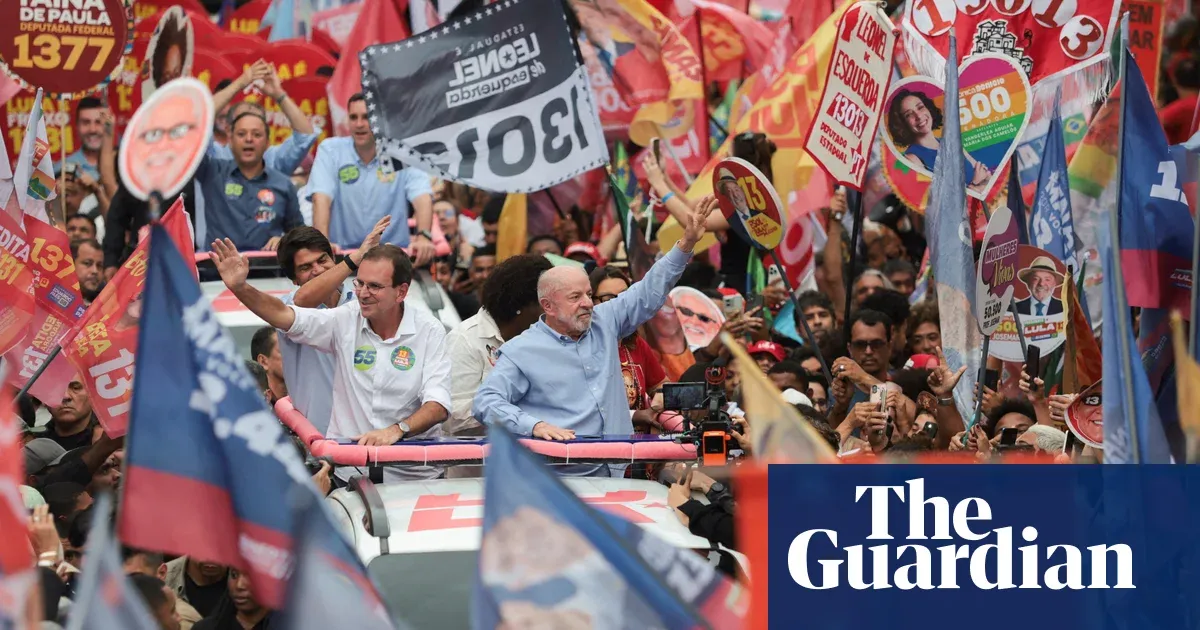 Photo: The Guardian
Key points
Brazilians vote on 4 October 2026 in a neck-and-neck presidential race between Lula and Flávio Bolsonaro, with a runoff set for 25 October if no candidate wins 50%.
Brazilians vote on 4 October 2026 in a presidential election that polls show as a neck-and-neck contest between incumbent Luiz Inácio Lula da Silva and far-right senator Flávio Bolsonaro. Twelve candidates are running for president. If no candidate wins at least 50% of the vote, the top two finishers will proceed to a runoff on 25 October.
The vote matters beyond Brazil because the result will shape the country's foreign policy direction for the next four years. Lula emphasises strategic autonomy, including growing ties with China, while Flávio Bolsonaro favours close alignment with the Trump administration in the United States. Analysts see Brazil as perhaps the last country in the region still capable of saying no to Trump's policies.
What the vote decides
Lula, aged 80, is seeking a fourth non-consecutive term in office. Flávio Bolsonaro, aged 45, is the eldest son of former president Jair Bolsonaro, who is under house arrest after being convicted of plotting a coup following his 2022 election loss to Lula.
Flávio Bolsonaro has pledged to pardon his father. He lags behind Lula in the polls as recently as July, when he struggled to attract a running mate who could diversify his ticket. He settled for a male candidate from his own Liberal Party, and his first rallies were sparsely attended.
Bolsonaro's poll numbers have risen in recent weeks, and he and Lula are now neck and neck. His bump followed wall-to-wall media coverage of allegations of corruption by a Supreme Court justice seen as an ally of Lula, and skilled campaigning by Liberal Party leaders. Political scientist Jairo Nicolau called PL president Valdemar Costa Neto the best political operator in Brazil.
How Bolsonaro closed the gap
If no candidate wins at least 50% of the vote on 4 October, the top two finishers will proceed to a runoff on 25 October. Millions of voters still report being undecided or plan to vote for other candidates. The PL is also trying to improve its record with female voters by elevating the profile of Michelle Bolsonaro, who is running for a Senate seat.
The candidates differ sharply on the United States and on the war on drugs, which has been used to justify dozens of airstrikes on boats that have killed more than 230 people. Bolsonaro has pledged to join the Shield of the Americas, an anti-drug cartel coalition of 15 countries governed by the right or far right, and to follow an iron fist approach to crime.
Lula has raised concerns about sovereignty and said it is sad to see the inferiority complex of Latin American presidents who are part of the Trump-created coalition. Washington imposed privileged access to Brazil's rare earths and critical minerals as a condition for not applying tariffs, which Lula rejected. Bolsonaro has offered those natural resources as a solution to help the US break its dependence on China.
Where the candidates differ
On the economy, economist Adam Tooze notes youth unemployment is down to around 10%, incomes of working people are up about 20% since 2022, and five million families have left the Bolsa Família basic welfare system as a result of increasing prosperity. The debt-to-GDP ratio has risen from 70% when Lula took office to over 80% of GDP.
The International Monetary Fund has projected that Brazil's government debt will reach about 98% of GDP by the end of 2026, with real interest rates at about ten percent making servicing that debt extraordinarily expensive. More than 90 percent of the federal government's noninterest spending is mandatory, leaving little room for discretionary spending on infrastructure.
Matias Spektor of Fundação Getulio Vargas writes that Brazil is losing global influence and that a major scandal has engulfed the Supreme Court. He argues neither candidate has offered a clear plan to address the state's eroding capacity to commit. The Trump administration's open meddling in Brazil's domestic politics has compounded the country's vulnerabilities, Spektor writes.
Pedro Telles, a professor at FGV university, said a Flávio Bolsonaro victory would be a real blow to the left and a major boost to the far-right agenda globally. Michael Shifter of Georgetown University said a Bolsonaro victory would be used triumphantly by Trump. Voting opens on 4 October, with a runoff on 25 October if needed.
Frequently asked questions
When do Brazilians vote in the presidential election?
Brazilians vote on 4 October 2026 in the first round of the presidential election, with twelve candidates running. If no candidate wins at least 50% of the vote, the top two finishers proceed to a runoff on 25 October.
Who is running in Brazil's presidential election?
The race is a tight contest between incumbent president Luiz Inácio Lula da Silva, aged 80, seeking a fourth non-consecutive term, and far-right senator Flávio Bolsonaro, aged 45, the eldest son of former president Jair Bolsonaro.
What happens if no candidate wins 50% of the vote?
If no candidate wins at least 50% of the vote on 4 October, the top two finishers proceed to a runoff on 25 October. Millions of voters still report being undecided or plan to vote for other candidates.
How this story was checked
- Fact-checked against 4 cited pages. 52 figures, dates and quotations in this story were found on the pages it cites.
- Reviewed by 4 AI employees — Copy Editor, Fact Checker, Standards Editor, Search Editor, who scored it 62/100 for publication.
Pages checked (4 of 4)
- theguardian.comread and checked
- foreignpolicy.comread and checked
- foreignpolicy.comread and checked
- foreignaffairs.comread and checked
Written by Kaer from public reporting. Checked 3 October 2026.